
How Water Damage Restoration Works in Manhattan, NY
When water damage strikes your Manhattan home or business, from a burst pipe in your Upper East Side brownstone or a ceiling leak in a Financial District high‑rise, you need fast, expert help to avoid mold, structural damage, and health risks. Here’s how the restoration process unfolds in Manhattan, where time, density, and building complexity amplify the stakes.
Understanding the Unique Challenges of Manhattan Properties
Manhattan buildings are often tightly packed, multi‑story units with shared walls and aging infrastructure. Water Damage Restoration in Manhattan, NY can spread rapidly, and limited airflow in interior spaces makes fast drying essential to avoid mold, rot, and cross‑unit contamination.
Why Swift Response Is Critical
- Water damage can trigger mold and microbial growth in as little as 24‑48 hours in NYC’s humid summer climate.
- Dense building layouts mean water often travels through walls, ceilings, and floors, affecting your space and your neighbor’s. Act quickly to minimize all that risk.
Initial Contact & Emergency Assessment
Restoration experts in Manhattan offer a 24/7 emergency response to arrive swiftly. They safely assess property conditions, shut off water sources, inspect structural hazards, and scope the damage immediately.
Categorizing and Classifying the Water
Technicians determine whether the intrusion is:
- Category 1 (clean water), from supply lines or fixtures,
- Category 2 (gray water), contaminated but non‑toilet,
- Category 3 (black water), sewage or floodwater, which requires full protective handling.
They also assign a Class (1‑4) based on how much and how deeply materials absorbed moisture.
Full Inspection & Moisture Mapping
Using thermal imaging cameras and moisture meters, technicians locate hidden dampness behind walls, under flooring, and in ceilings, especially important in stacked Manhattan apartments. Moisture mapping guides the positioning of drying equipment.
Water Extraction Techniques
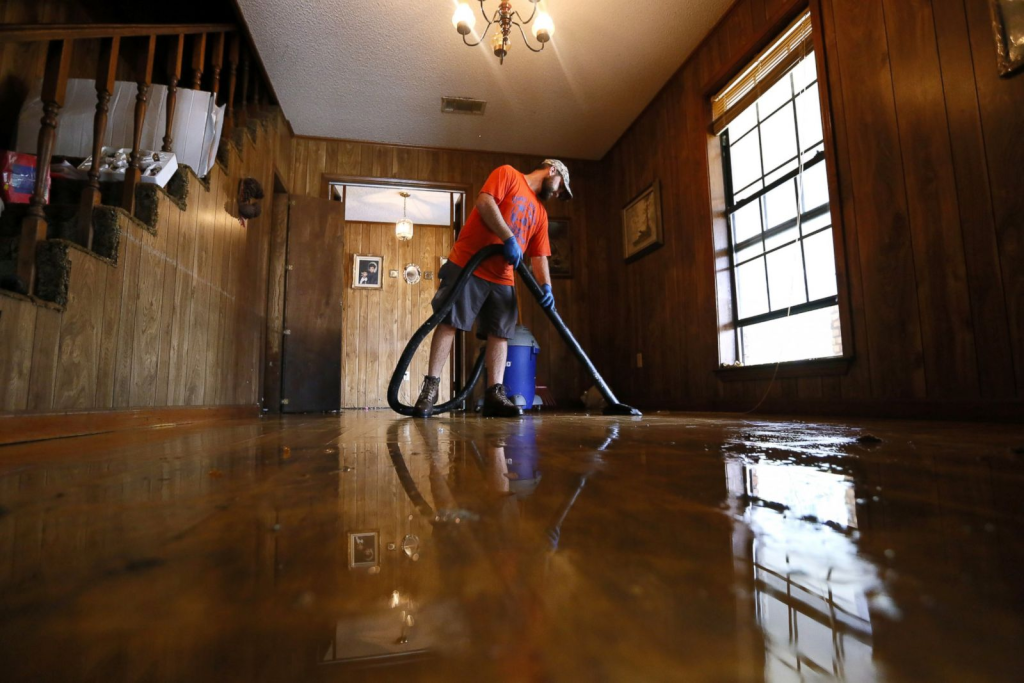
Specialized gear such as truck‑mounted pumps, industrial wet/dry vacuums, and compression tools extract as much standing water as possible, cutting dry time dramatically.
Suction and compression nozzles push water up and out from materials.
Controlled Demolition & Content Removal
Unsalvageable materials like soaked drywall, carpet, or baseboards are removed to expose hidden moisture. Personal belongings may be packed out for off‑site cleaning and to speed up the drying process.
Drying and Dehumidification
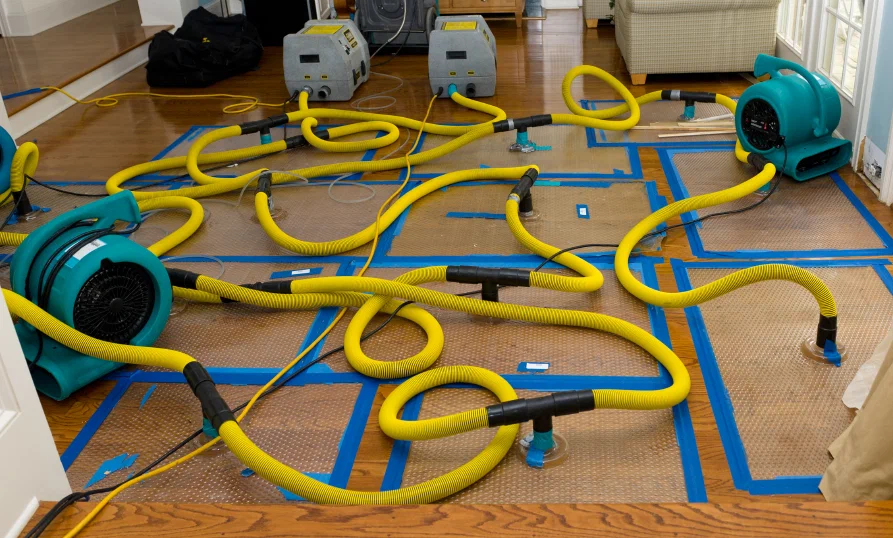
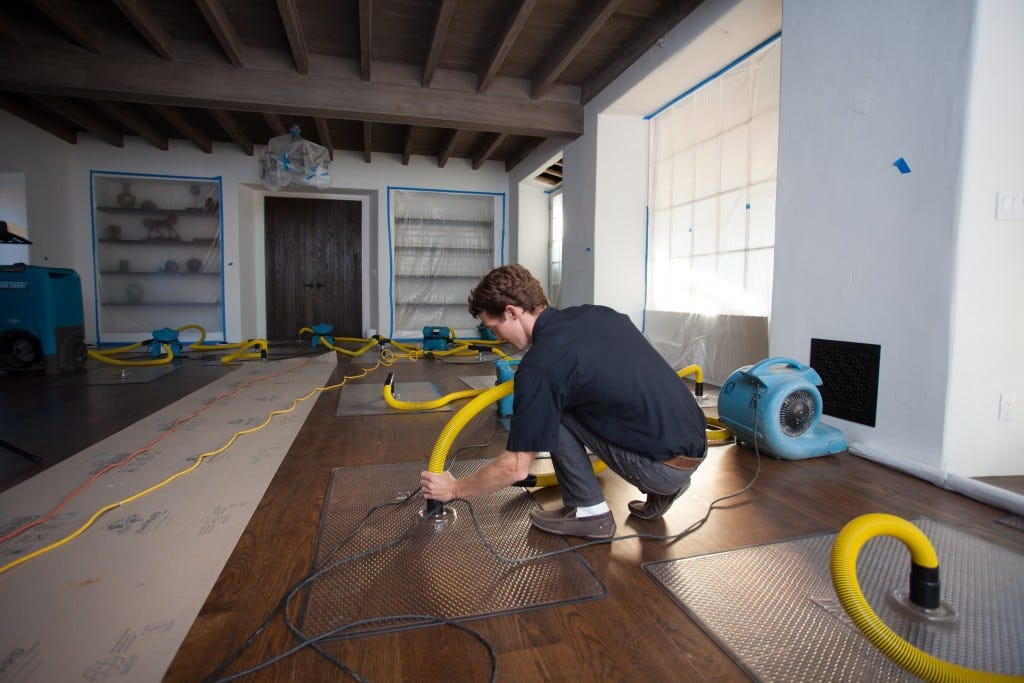
Next comes structural drying with high‑velocity air movers and either refrigerant or LGR dehumidifiers, strategically placed to accelerate evaporation.
Teams monitor humidity and moisture daily until levels fall below safe thresholds (generally below 15% for key materials).
Cleaning, Sanitizing & Odor Control
EPA-approved antimicrobial agents are applied to sanitize affected zones and remove odors. If mold is present, certified mold remediation procedures follow.
Mold cleanup is handled carefully, with personal protective equipment to limit exposure.
Restoration & Reconstruction
Once surfaces are fully dry and sanitized, technicians replace drywall, flooring, trim, and fixtures to restore your property. In some cases, they also offer remodeling services as needed.
Complete documentation, including photos, diagrams, drying logs, is provided for insurance claims or building board reviews.
Insurance Coordination & Documentation
Most Manhattan restoration firms work directly with insurance adjusters, supplying comprehensive evidence: moisture maps, before/during/after photos, logs, and contractor estimates. This streamlines claims and may allow for direct billing.
Why Manhattan’s Climate & Construction Style Matter
- High humidity speeds up microbial growth.
- Older buildings with wood lath, plaster, and shared utilities retain moisture longer, making prompt, professional drying vital.
Risks of DIY Cleanup in Manhattan
Trying to dry things yourself may miss hidden moisture, enabling mold or structural damage to set in. DIY approaches often fail to disinfect properly, and poor documentation can hurt insurance claims.
Choosing the Right Restoration Company in Manhattan
Look for IICRC-certified firms with local Manhattan experience, 24/7 emergency availability, a full equipment fleet, and strong insurance coordination, especially for co‑op or condo board requirements.
Preventive Tips to Avoid Future Water Damage
- Regularly inspect pipes, hoses, and shutoff valves.
- Install flood alarms in basements, kitchens, or under sinks.
- Maintain and clear gutters/roofs, especially before the rainy season.
Common Mistakes to Avoid
- Waiting more than 24 hours once water is present.
- Not documenting damage visually before starting cleanup.
- Failing to call certified professionals immediately.
Conclusion
In Manhattan, water damage restoration isn’t just about drying; it’s a high‑speed, systematized process involving inspection, extraction, controlled demolition, structural drying, sanitation, and reconstruction. Acting fast, hiring certified pros, and documenting everything are essential to protect health, preserve structure, and simplify insurance claims. With the right team on your side, you’ll be back to dry, safe, pre‑loss condition, or better, efficiently and reliably.
FAQs
1. How soon should I call a restoration company after water damage?
Ideally, within hours, but no more than 24 hours, to prevent mold and material swelling.
2. Can restoration treat mold found during the water damage process?
Yes, most certified companies include microbial remediation if mold is discovered during inspection or drying.
3. Is all water damage covered by standard homeowner or renter’s insurance?
It depends; accidental plumbing issues are usually covered, but flood damage from weather may require separate flood insurance.
4. Can belongings be saved during restoration?
Many items can be cleaned or dried, textiles, electronics, and documents, but porous items like mattresses may be unsalvageable.
5. How long does a typical Manhattan restoration take?
Minor leaks may take a few days. Major damage involving structural drying and reconstruction could take one to two weeks, depending on severity.